Tether’s Mercado Bitcoin Bet Puts Stablecoins Deeper Into Regulated Finance
Tether’s $20 million Mercado Bitcoin investment is more than a LatAm growth story. It pushes USDT, tokenization, payments, and compliance risk closer to regulated financial workflows.
Check a wallet before you act
Run a FreezeRadar scan for issuer-freeze signals, sanctions exposure, counterparty risk, and freezeable asset sensitivity before moving funds.
What Happened
Tether announced a $20 million strategic growth financing round for Mercado Bitcoin, positioning the deal as support for on-chain financial infrastructure in Latin America. The company highlighted several business lines that should catch the attention of treasury and compliance teams: payments infrastructure, tokenized investment products, lending and credit, on-chain capital markets, international expansion, and strategic partnerships.
Mercado Bitcoin is not being presented as a simple spot exchange. The release frames it as a regulated on-chain financial services platform with a payment institution license from Banco Central do Brasil, broker-dealer capabilities, a securitization platform, and asset-management capabilities. Related coverage from PYMNTS, The Defiant, Crypto.news, Bitcoin Magazine, and CoinMarketCap all converged on the same basic reading: Tether is using balance-sheet strength to back a platform that can distribute stablecoin-powered financial services beyond crypto-native trading.
That is why this story ranks above a routine investment item. It is about stablecoin infrastructure moving into a regulated market that is already building a formal virtual-asset framework. Brazil has been one of the most important jurisdictions for payment innovation, and its central bank has been moving virtual-asset service providers into a clearer authorization and supervision perimeter. A stablecoin issuer investing in a licensed Brazilian platform is therefore more than venture activity. It is a market-structure move.
Why This Is Different From Another USDT Adoption Headline
Most stablecoin adoption stories are framed around user growth, transaction volume, or emerging-market dollar demand. Those are relevant, but they do not explain the operating risk. The Mercado Bitcoin deal is different because it sits at the junction of three systems.
The first system is issuer-controlled stablecoins. USDT is a freezeable asset, and Tether has a long public record of working with law enforcement and intervening in wallets when it decides, or is required, to act. That control surface is useful for some enforcement outcomes and a serious operational variable for any business that receives, routes, or inventories USDT.
The second system is tokenized finance. Mercado Bitcoin’s R$2 billion-plus in issued tokenized assets means the platform is doing more than moving stablecoins between accounts. It is also participating in the packaging, issuance, distribution, or servicing of tokenized investment exposure. Tokenization adds lifecycle risk: custody, redemption, investor eligibility, transfer restrictions, issuer disclosures, and secondary-market liquidity.
The third system is regulated payments and financial services. Once stablecoins and tokenized assets move through licensed platforms, compliance does not happen only at the blockchain address level. It also happens at onboarding, account monitoring, payment-institution rules, securities or investment-product rules, cross-border reporting, and internal treasury controls.
Those three systems produce a different risk profile than a retail exchange listing USDT. The relevant question is no longer “can users buy the token?” It is “what happens when stablecoin liquidity, issuer influence, tokenized instruments, and regulated account infrastructure become part of the same workflow?”
The Wallet-Risk Angle
FreezeRadar’s guide to freezeable assets focuses on the fact that some tokens carry issuer intervention rights. This story extends that logic from the token to the platform stack around the token.
When USDT is used inside a regulated platform, wallet risk has at least five layers:
- the user wallet or platform account receiving the asset
- the counterparty wallet sending funds into the system
- the issuer’s blacklist, freeze, redemption, and chain-support policies
- the platform’s own account, deposit, withdrawal, and product eligibility controls
- the local regulatory framework around payments, virtual assets, and cross-border flows
That layering matters because a clean on-chain transfer is not the same thing as a clean operational event. A wallet can pass a direct sanctions check and still create risk if the funds are tied to a restricted tokenized product, a high-risk counterparty cluster, an unsupported jurisdiction, or a stablecoin rail that requires additional reporting. The inverse is also true: a licensed platform can make a stablecoin easier to use, but that does not remove the need to monitor issuer-control and counterparty exposure.
This is the practical bridge between stablecoins and tokenized assets. Tokenized products often rely on payment rails for subscription, redemption, collateral movement, or settlement. If those rails are USDT-heavy, then the token’s freezeability and the platform’s compliance model become part of the product’s operating risk.
Brazil Makes the Compliance Question More Concrete
Brazil is not a blank regulatory map. Banco Central do Brasil has detailed rules for virtual-asset service providers, and market explainers around the framework emphasize authorization, custody, segregation, compliance expectations, and the treatment of stablecoin-related flows. That context is why Mercado Bitcoin’s licensing footprint matters.
For a stablecoin issuer, investing in a platform with payment-institution infrastructure and broader financial capabilities can create distribution, credibility, and product-design advantages. For users and counterparties, it can improve access to on-chain financial products. But for risk teams, it also concentrates responsibility. A platform that connects stablecoin payments, credit, tokenized assets, and account services has to know who the customer is, and also what asset is moving, what product it supports, what legal perimeter applies, and what happens if the issuer or regulator intervenes.
This is especially important in emerging-market stablecoin usage. Dollar stablecoins can improve access and settlement speed, but they can also create dollarization, sanctions, capital-flow, and financial-integrity concerns. Brazil’s regulatory path is trying to make that activity more supervised rather than pretending it does not exist. The Tether/Mercado Bitcoin deal lands directly inside that transition.
Treasury Implications
For treasury teams, the lesson is to map stablecoin exposure by operating dependency, beyond token balance. A company may have no proprietary investment in USDT and still depend on USDT if customers settle invoices through Mercado Bitcoin-linked rails, if tokenized products redeem through stablecoin flows, or if cross-border counterparties treat USDT as the working settlement unit.
That dependency deserves a control checklist:
- Which business processes rely on USDT or other freezeable stablecoins?
- Which platform accounts can accept, convert, redeem, or block those assets?
- Which tokenized products depend on stablecoin inflows or redemptions?
- Which counterparties repeatedly send funds from high-risk wallets or unsupported jurisdictions?
- Which events would force a wallet retirement, payment hold, redemption delay, or customer communication?
Treasury teams should also avoid the false comfort of platform licensing. Licensing is valuable, but licensing differs from asset finality. A licensed platform can still reject deposits, hold funds, request documentation, change supported assets, or respond to regulator and issuer actions. That is not a criticism of Mercado Bitcoin. It is the normal reality of regulated financial infrastructure.
Compliance and Monitoring Implications
For compliance teams, the deal reinforces why static onboarding is not enough. A customer may be approved today, but their wallet behavior, counterparty relationships, and product usage can change quickly once stablecoin payments and tokenized instruments are in the same environment.
The monitoring model should include direct sanctions screening, meaningful indirect exposure, issuer-blacklist signals, product eligibility, chain and asset support, and account-level restrictions. FreezeRadar’s stablecoin compliance guide covers the broader framework; the Mercado Bitcoin story shows why that framework needs to cover licensed platform relationships as well as self-custody wallets.
The most interesting risk is not the obvious bad actor. It is the legitimate business workflow that quietly accumulates unstable dependencies: one platform, one issuer-controlled token, one cross-border rail, one class of tokenized product, and no clear fallback if any part changes. That is how operational fragility appears inside otherwise compliant activity.
What Teams Should Watch Next
The first signal is whether Tether’s investment translates into deeper USDT-native products at Mercado Bitcoin, or whether the capital mainly supports broader tokenization and financial-services growth. Those are different risk outcomes. USDT-native distribution would increase issuer and rail dependency. Broader tokenized-finance growth would increase product lifecycle and investor-eligibility complexity.
The second signal is Brazil’s regulatory implementation. If stablecoin and virtual-asset rules become more operationally specific around reporting, custody, cross-border movement, or issuer due diligence, platforms will need stronger monitoring controls. That would make licensed infrastructure more credible but also more demanding.
The third signal is whether other large stablecoin issuers follow Tether into regional licensed platforms. If issuer investment becomes a standard way to secure distribution, treasury teams will need to ask a sharper question: is the platform neutral infrastructure, issuer-aligned infrastructure, or something in between?
The fourth signal is counterparty behavior. As tokenized products and stablecoin payments scale in Latin America, risk will show up in transaction paths before it shows up in press releases. Teams should watch repeat senders, settlement wallets, platform deposit addresses, high-risk clusters, and any routing behavior that suggests attempts to exploit regulated rails without passing regulated controls.
Key Takeaway
Tether’s Mercado Bitcoin investment is no reason to panic, and no reason to treat every Brazilian stablecoin flow as high risk. It is a reason to update the mental model.
Stablecoins are no longer only exchange inventory or self-custody payment tools. They are becoming inputs into regulated, tokenized, credit-linked, and cross-border financial workflows. That makes them more useful, but also more operationally complex.
For FreezeRadar’s audience, the takeaway is direct: monitor the wallet, the asset, the issuer, the platform, and the product context together. In regulated on-chain finance, risk rarely lives in only one layer.
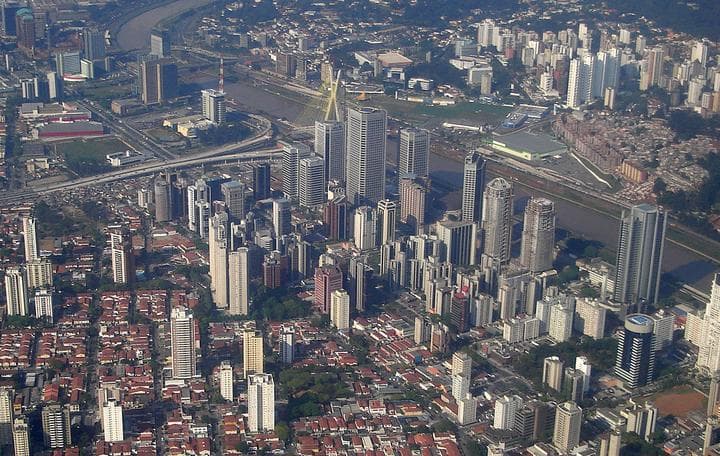
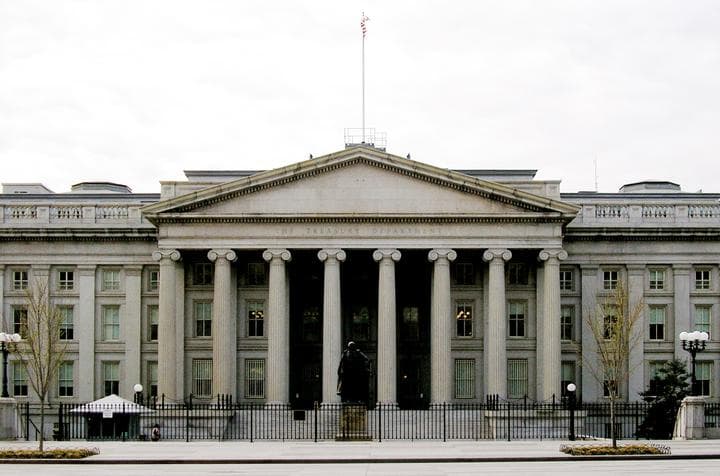
Image credits: cover image “Sao Paulo Business District.jpg” by Caio do Valle, Wikimedia Commons, CC BY-SA 3.0/GFDL. Inline image “Edifício do Banco Central do Brasil.jpg” by FG fotos, Wikimedia Commons, CC0 1.0 Public Domain Dedication. Files are stored locally by FreezeRadar for auditability.
References
- Tether to Invest $20 Million in Strategic Financing Round for Mercado Bitcoin to Accelerate Onchain Financial Infrastructure in Latin America
- Tether Invests $20 Million in Brazil’s Mercado Bitcoin
- Tether Invests $20M in Brazil's Mercado Bitcoin
- Tether backs Mercado Bitcoin with $20M to expand blockchain finance
- Tether Backs Mercado Bitcoin With $20M Latin America Push
- BCB details rules on virtual assets
Sources (6)
Tether to Invest $20 Million in Strategic Financing Round for Mercado Bitcoin to Accelerate Onchain Financial Infrastructure in Latin America
Tether
Primary July 7, 2026 announcement with investment amount, Mercado Bitcoin platform details, licensing footprint, and stated use of funds.
Tether Invests $20 Million in Brazil’s Mercado Bitcoin
PYMNTS
Related July 7, 2026 coverage highlighting payments infrastructure and tokenized investment expansion.
Tether Invests $20M in Brazil's Mercado Bitcoin
The Defiant
Related July 7, 2026 coverage framing the deal around tokenization, payments, credit, and capital markets.
Tether backs Mercado Bitcoin with $20M to expand blockchain finance
crypto.news
Related July 7, 2026 report summarizing the expansion across tokenized assets, blockchain payments, lending, and on-chain capital markets.
Tether Backs Mercado Bitcoin With $20M Latin America Push
CoinMarketCap Academy
Related July 2026 explainer focused on stablecoin payments, lending, and Tether's reinvestment strategy.
BCB details rules on virtual assets
Banco Central do Brasil
Primary regulatory context on Brazil's virtual-asset rules and the authorization/supervision perimeter around VASPs.
Related reading
Continue exploring FreezeRadar knowledge content.

On this page
Get posts like this by email
A daily or weekly digest of FreezeRadar freeze activity.
By FreezeRadar Team
Research and product team behind FreezeRadar.