Crypto vs Stablecoins: What New Users Need to Understand Before Holding USDT or USDC
A beginner guide to the difference between volatile crypto assets and issuer-controlled stablecoins such as USDT, USDC, and PAXG.
Check a wallet before you act
Run a FreezeRadar scan for issuer-freeze signals, sanctions exposure, counterparty risk, and freezeable asset sensitivity before moving funds.
Crypto vs Stablecoins
New users often enter crypto through stablecoins because they are easier to understand than volatile tokens. One USDT or USDC is designed to track one dollar, so the experience feels less risky than holding an asset whose price moves every minute. But stablecoins introduce a different kind of risk: issuer control.
The important distinction is simple. Many crypto assets are primarily controlled by private keys and network rules. Stablecoins are usually issued by companies that maintain reserves, redemption policies, compliance programs, and smart-contract controls. That makes them useful for payments and settlement, but it also means they are not the same as neutral bearer assets.
Volatile crypto assets
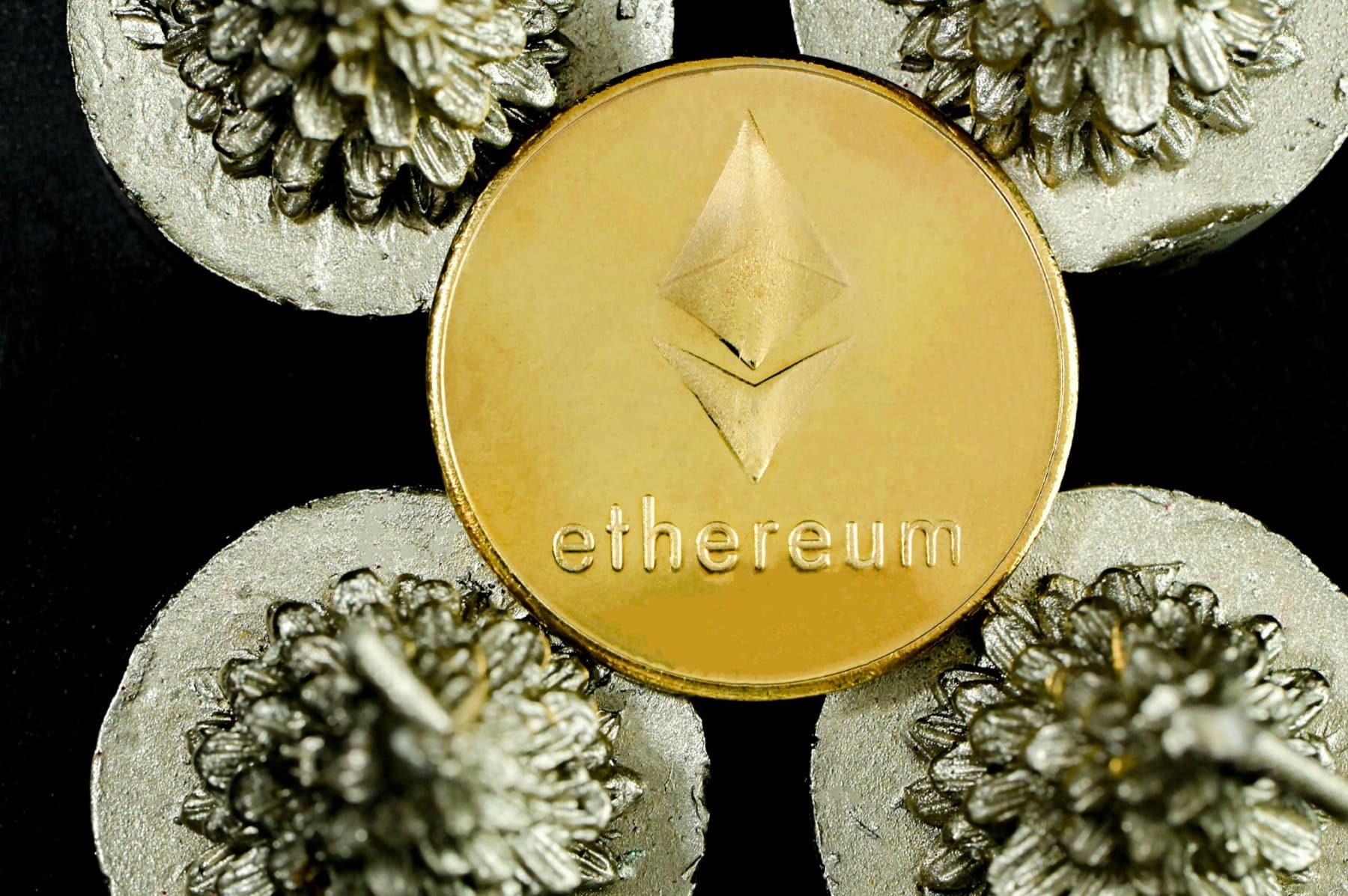
Assets such as BTC or ETH can move in price quickly. Their main risks include market volatility, private-key loss, wrong-address transfers, smart-contract risk, and exchange custody risk. If you self-custody these assets, possession of the private key is usually the core control point.
That does not mean they are risk free. Transactions are generally irreversible, and exchanges or services can still freeze accounts they control. But the token itself may not have an issuer-level blacklist function.
Stablecoins
Stablecoins such as USDT and USDC are designed to hold a stable value. They are popular for remittances, trading, business settlement, and treasury operations. The tradeoff is that the issuer may retain powers that matter during disputes, sanctions events, fraud investigations, or legal orders.
Circle's USDC terms describe blocked addresses and blocklisting. Tether has publicly described cooperation with law enforcement and freezing privately held wallets after applicable requests. Paxos terms describe account restrictions, freezes, and law-enforcement or court-order triggers. These controls are part of the operating model.
Tokenized real-world assets
PAXG and similar tokenized assets add another layer. The token may represent a claim linked to a real-world asset, such as gold, and the issuer's terms can define redemption, transfer, account, and compliance limits. Treating these tokens like ordinary ERC-20 assets misses the point.
Why stablecoins are useful anyway
Stablecoins are popular because they solve real problems:
- lower volatility than most crypto assets
- faster cross-border settlement than many bank routes
- broad exchange and wallet support
- easier accounting in dollar terms
- useful liquidity for trading and payments
The goal is not to avoid stablecoins automatically. The goal is to use them with a clear understanding of their controls.
Beginner FAQ
Are stablecoins safer than other crypto?
They reduce price volatility, but they add issuer, redemption, compliance, and freeze risk.
Can USDT or USDC be frozen in a self-custody wallet?
Yes, issuer-controlled tokens can include contract-level restrictions that affect transfers from self-custody wallets.
Does a freeze mean the whole wallet is broken?
Not always. Sometimes one token is restricted while the wallet can still hold or move other assets.
What should new users learn first?
Learn the difference between wallet custody, exchange custody, network selection, issuer controls, and transaction records before moving large balances.
Sources
Help improve this guide
Share a freeze case note, issuer response, missing document, or support-step correction. Do not include seed phrases, private keys, login codes, or exchange passwords.
On this page
By FreezeRadar Team
Research and product team behind FreezeRadar.
Related reading
Continue exploring FreezeRadar knowledge content.