Check PAXG Freeze Risk Before You Transfer
Screen a Paxos Gold (PAXG) wallet for freeze, asset-protection, sanctions, and counterparty signals before you move tokenized gold.
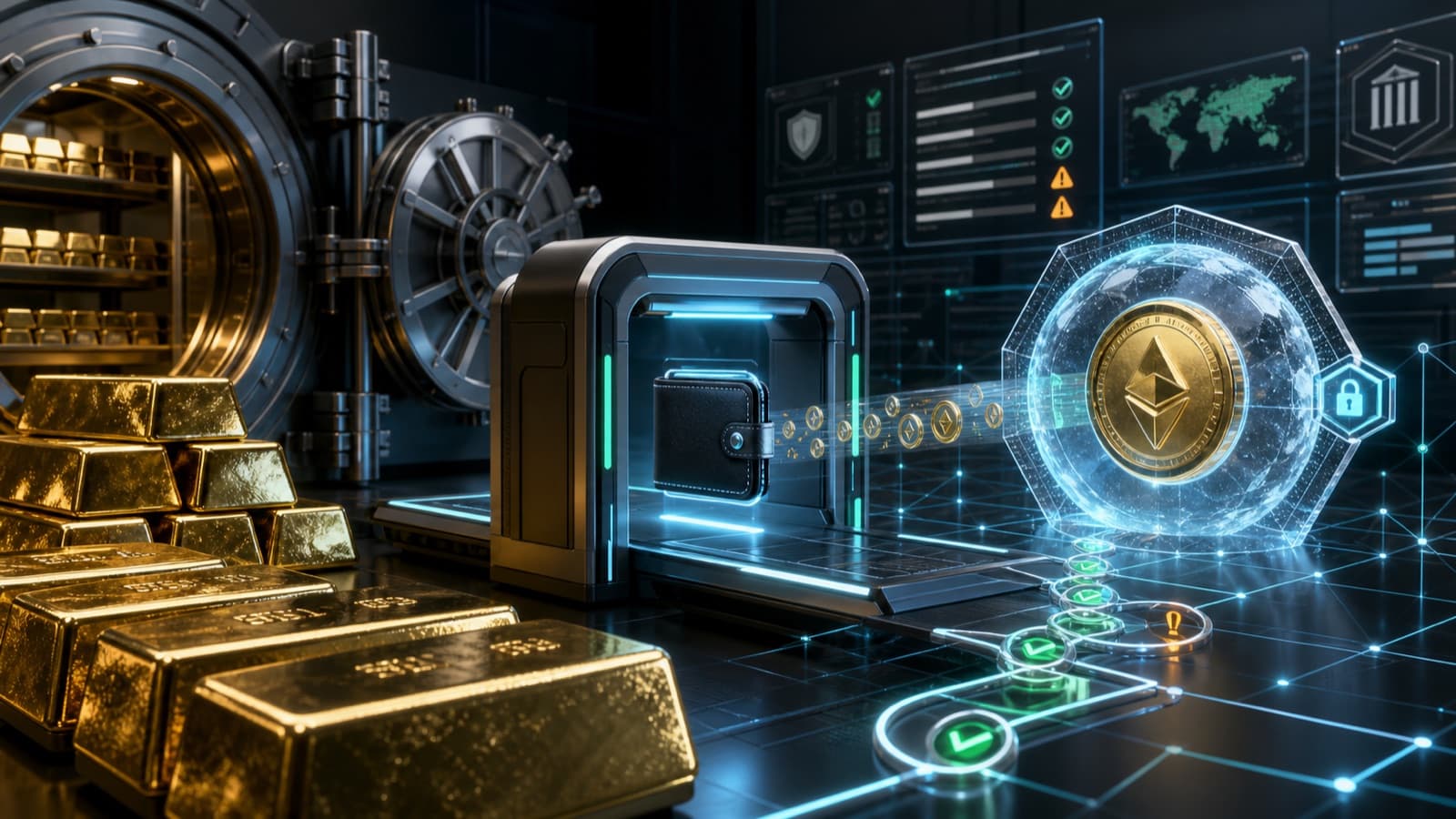
A PAXG freeze risk check reviews an Ethereum wallet before you move Paxos Gold. PAXG is not a generic ERC-20: Paxos terms and token contracts describe asset-protection roles, frozen-address controls, and wipe mechanics. FreezeRadar checks PAXG exposure, freeze sensitivity, sanctions matches, and counterparty history so custody, redemption, or documentation is less likely to fail later. It cannot redeem PAXG or reverse an issuer action.
Check a wallet before you act
Run a FreezeRadar scan for issuer-freeze signals, sanctions exposure, counterparty risk, and freezeable asset sensitivity before moving funds.
Who this check is for
Use this before tokenized-gold transfers, custody changes, or partner settlements. Treat PAXG as issuer-controlled, even when the on-chain balance looks available.
Real-world example
Paxos public token contracts include asset-protection roles, frozen-address controls, and wipe mechanics, while PAX Gold terms describe the contractual environment around PAXG. Those public materials are enough to treat PAXG as freeze-sensitive. Before moving tokenized gold, teams should screen the wallet and preserve documentation just as they would for a regulated stablecoin transfer.
What FreezeRadar checks
FreezeRadar is built for freezeable asset wallet risk, not generic price or portfolio tracking. For this search intent, the scan focuses on:
- PAXG asset exposure on Ethereum
- Paxos-style freeze and asset-protection sensitivity
- direct sanctions and high-risk label matches
- counterparty history that may affect review or redemption confidence
- documentation signals for custody, treasury, or dispute workflows
The result is an explainable risk assessment. It can help you decide whether to pause, document, escalate, or run a deeper review before sending funds.
How to run the check
- Open FreezeRadar wallet scan.
- Paste the wallet address you want to review.
- Confirm the chain and asset if the page preselects one.
- Run the scan and read the score, direct issuer-freeze signals, sanctions exposure, counterparty context, and evidence notes.
- Preserve the scan URL with your transaction hashes and screenshots if the wallet is part of a dispute, payment review, or compliance workflow.
What the result can and cannot tell you
A scan can show whether FreezeRadar sees issuer-freeze indicators, sanctions matches, risky labels, counterparty exposure, behavioral risk, and freezeable asset sensitivity. It cannot prove that an issuer will freeze a wallet in the future, guarantee that a frozen balance can be restored, or replace legal advice from qualified counsel.
Do not use this page or any FreezeRadar output to bypass sanctions, evade issuer controls, conceal source of funds, or contact unofficial recovery services. If the situation involves a legal order, fraud report, stolen funds, or sanctions exposure, use official issuer, exchange, law-enforcement, or legal channels.
Related reading
- What freezeable assets are
- XAUt freeze risk check
- Stablecoin freeze basics
- How FreezeRadar scores a wallet
FAQ
Is PAXG freezeable?
Paxos public contracts and terms describe asset-protection and freeze-related controls. Treat PAXG as an issuer-controlled asset.
Is PAXG risk the same as USDT or USDC risk?
No. The issuer, legal terms, underlying asset, and operational use case differ, even though wallet screening principles overlap.
Why scan tokenized gold wallets?
A high-value tokenized asset can create documentation, custody, sanctions, and counterparty risk before or after transfer.
Can FreezeRadar redeem or recover PAXG?
No. FreezeRadar provides wallet risk intelligence. Redemption, legal, or issuer actions must use official channels.
Sources (3)
Help improve this guide
Share a freeze case note, issuer response, missing document, or support-step correction. Do not include seed phrases, private keys, login codes, or exchange passwords.
Related reading
Continue exploring FreezeRadar knowledge content.
On this page
By FreezeRadar Team
Research and product team behind FreezeRadar.