How to Run a Safe OTC Crypto Deal
A practical checklist for OTC traders: screen the counterparty before you agree on price, verify the payment before you release, and keep watching after close.
An OTC trade lives or dies on trust between two people who usually don't know each other well. Most of the risk in that trade isn't that the other side is a criminal. It's contagion. You take a payment from a wallet you didn't fully check, and their problem quietly becomes yours: a frozen stablecoin balance, a blocked exchange withdrawal, or a compliance review months after the deal is done.
The good news is that this risk shows up at three predictable moments, and each one has a specific check for it.
Check a wallet before you act
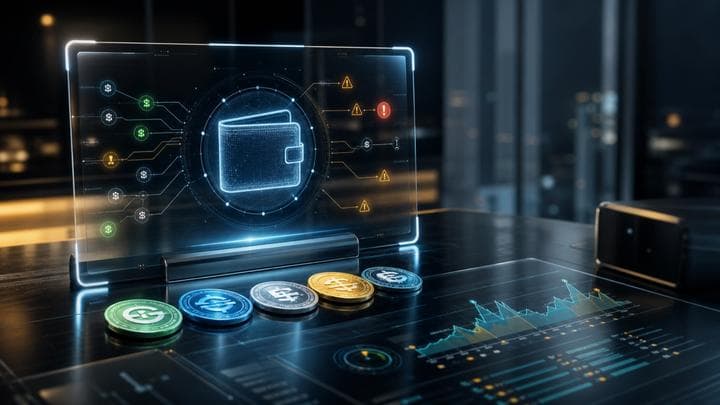
Run a FreezeRadar scan for issuer-freeze signals, sanctions exposure, counterparty risk, and freezeable asset sensitivity before moving funds.
1. Before you agree on price: screen the wallet
Before you commit to a deal, run the counterparty's wallet through a risk scan. You're looking for direct sanctions exposure, issuer blacklist status, and risky counterparties in its recent history. FreezeRadar's Send Guard does this in one step: paste the address, pick the chain, and read the score and the reasons behind it.
A clean scan doesn't guarantee the deal is risk-free, but a wallet with direct sanctions hits or a recent freeze is a hard stop, not a negotiating point.
2. At settlement: verify the payment before you release the asset
This is the moment most OTC losses happen. The buyer says "sent," shows a screenshot, and asks you to release the asset immediately. Screenshots can be faked, transactions can be pending, dropped, or sent in the wrong token.
Deposit Guard checks the real on-chain transfer against what you expected: the wallet, the token contract, the amount, and the confirmation depth. It returns a decisive verdict (accept, use caution, or reject) instead of a raw number you have to interpret under pressure. Don't release goods, fiat, or mark the order paid until it says accept.
3. After the deal: keep watching the counterparty
The deal can be clean today and still turn into a problem later. A counterparty's wallet can be added to a sanctions list or issuer blacklist weeks or months after you dealt with them, and if you never look back at it, you won't know your treasury has exposure until an exchange or bank flags it for you.
Treasury Radar watches wallets that sent you a meaningful share of funds and alerts you if one of them later turns risky, so you find out from FreezeRadar first.
The checklist
- Screen the counterparty's wallet with Send Guard before agreeing on price or terms.
- Never release the asset on a screenshot: verify the real transfer with Deposit Guard.
- Confirm the amount, token contract, and confirmation depth match what you expected.
- Keep a record of the scan and verdict with the deal. It's evidence if a dispute comes up later.
- Let Treasury Radar keep watching the counterparty after the deal closes.
What this can and cannot tell you
These checks reduce the odds of taking on someone else's risk unknowingly. They cannot guarantee that an issuer will never freeze a wallet in the future, and they are not a substitute for your own compliance policy or legal advice. If a deal involves a suspected scam, stolen funds, or a legal order, use official reporting and legal channels rather than relying on a wallet score alone.
Help improve this guide
Share a freeze case note, issuer response, missing document, or support-step correction. Do not include seed phrases, private keys, login codes, or exchange passwords.
Related reading
Continue exploring FreezeRadar knowledge content.
On this page
By FreezeRadar Team
Research and product team behind FreezeRadar.