FreezeRadar editorial
Blog
Research-backed articles on sanctions adjacency, stablecoin controls, wallet operations, issuer freeze sensitivity, and risk intelligence.
Page 8 of 19

The UK’s New Bank of England Mandate Makes Stablecoin Risk More Operational
HM Treasury’s new innovation objective for the Bank of England is not deregulation. It is a signal that UK stablecoin risk is moving from policy debate into operating rules for issuers, wallets, venues, and treasury teams.

Read USDT Blacklist Status Yourself (Desk Companion)
isBlackListed / getBlackListStatus answers one binary question. How desks record the read, avoid wrong-chain mistakes, and when a full scan is still required.

Before CEX Deposit: Wallet Screen Workflow
A 12-minute pre-deposit checklist for USDT: confirm network, read issuer blacklist, screen counterparties, save a FreezeRadar scan, then deposit, knowing venues can still hold.

USD1’s Trust-Bank Push Makes Stablecoin Freeze Governance a Counterparty Risk
World Liberty’s USD1 bank-charter controversy is more than political theater. For treasury and compliance teams, it shows why issuer control, freeze history, and reserve governance belong in every stablecoin acceptance review.

Solana Token-2022 Freeze vs Clawback for Wallet Ops
Freeze locks a Solana token account. Token-2022 permanent delegate can move or burn without the holder. USDC stays on the existing Solana landing.
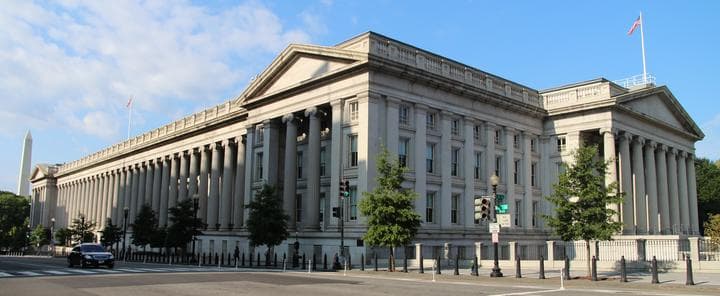
Treasury’s GENIUS Stablecoin Rule Turns U.S. Access Into a Compliance Control
Treasury’s August 17 GENIUS Act proposal is more than a licensing rule. It turns U.S. stablecoin access, foreign issuer controls, and lawful-order capability into operational wallet-risk questions.