SDNY’s $61.2M USDT Iran-Oil Forfeiture Shows the Freeze → Warrant → Burn/Reissue Path
SDNY 26 Civ. 8010 seeks forfeiture of 61,192,367.59 USDT already frozen by Tether. A Sept. 14, 2026 warrant authorizes burn/reissue into an FBI wallet—wallet teams should track issuer freezes before custody moves.
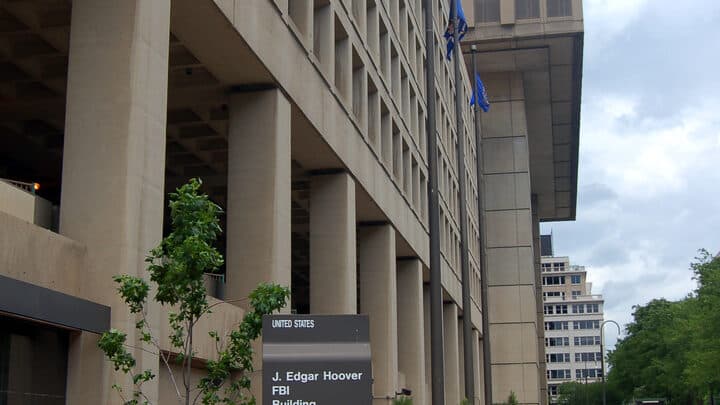
SDNY’s civil forfeiture complaint in 26 Civ. 8010 (filed September 14, 2026) targets 61,192,367.59 USDT already frozen by Tether across ten TRON addresses. The operational sequence in the verified complaint is what wallet and OTC desks should model: issuer freeze first, magistrate seizure warrant next, then burn of the frozen tokens and reissue of replacement USDT into FBI custody.
This is not the same story as OFAC’s Iran digital-asset sector determination under E.O. 13902, and it is not the informal-USDT / GENIUS timing piece. It is a forfeiture path that turns an issuer freeze into government custody through burn-and-reissue.
Check a wallet before you act
Run a FreezeRadar scan for issuer-freeze signals, sanctions exposure, counterparty risk, and freezeable asset sensitivity before moving funds.
What the complaint says happened
According to the SDNY verified complaint (Case 1:26-cv-08010 / 26 Civ. 8010):
- The defendants-in-rem are USDT held in ten TRON addresses.
- Aggregate amount: 61,192,367.59 USDT.
- Tether froze those balances after U.S. requests (the complaint describes freezes beginning mid-2025 for clusters of the target addresses).
- On or about September 14, 2026, Magistrate Judge Ona T. Wang issued a seizure warrant.
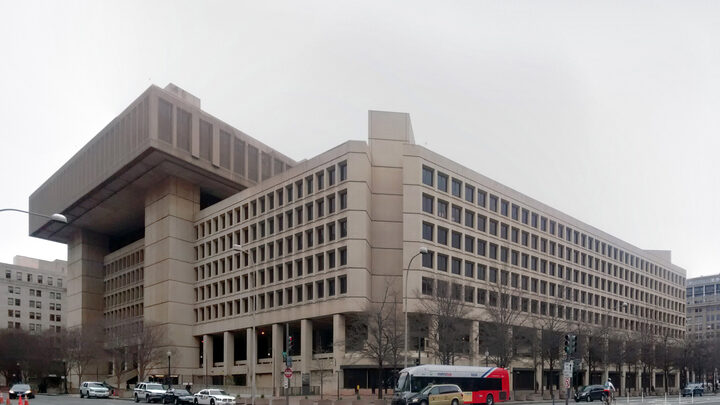
- Footnote 1 and related paragraphs describe how seizure is effectuated for USDT: Tether burns the frozen tokens and issues replacement tokens of the same value into U.S. Government custody (FBI / USMS wallet path as pled).
Allegations in a verified complaint are not findings of guilt. The filing alleges the USDT are proceeds of black-market Iranian crude/petroleum sales into China intended to finance Iranian military entities including the IRGC. Named commercial clusters in the narrative include entities described as Hexa Whale and Blessed Trust (Hong Kong) and Binance-facing flows. Treat those as contested allegations until adjudicated.
Why the freeze → warrant → burn/reissue path matters
For monitoring teams, three states are different:
- Issuer freeze / blacklist — tokens may still “exist” on-chain at an address but transfers are blocked by Tether’s controls.
- Seizure warrant — a court authorizes taking the property into government process.
- Burn + reissue — the frozen supply is destroyed and replacement USDT is minted into a government-controlled wallet, completing a custody move that ordinary address screening alone may not show as a simple transfer.
If you only alert on “OFAC SDN address match,” you will miss this class of event until after the issuer and court process have already moved value off the frozen addresses.
What to check on your desks this week
- Issuer freeze lists and Tether / TRON USDT controls for the ten complaint addresses once you extract them from the PDF exhibit tables — do not paste partial addresses from secondary blogs.
- Counterparties and hops into those addresses for the freeze windows described in the complaint (mid-2025 freezes; September 2026 warrant).
- OTC and exchange onboarding files that treated “not on SDN” as sufficient for Iran-oil adjacent USDT flow.
- Internal playbooks: separate runbooks for (a) SDN hit, (b) issuer freeze without SDN, (c) civil forfeiture / burn-reissue into LE wallets.
- Cross-read FreezeRadar’s E.O. 13902 Iran digital-asset sector note and the informal USDT freeze vs GENIUS lawful-order explainer so analysts do not merge three different legal tools into one alert.
Operational takeaway
SDNY 26 Civ. 8010 is a primary-source map of how a large USDT freeze can become government custody without a classical “send” from the target address. Screen issuer freezes, watch for warrant-driven burn/reissue language, and escalate Iran-oil / IRGC-adjacent exposure to counsel — this article is educational, not legal advice.
Run a wallet or counterparty pass in FreezeRadar Scan if you need a structured starting point for follow-up investigation.
Sources (4)
Verified Complaint — United States v. All United States Dollar Tether Cryptocurrency Held in [Ten TRON Addresses], 26 Civ. 8010 (S.D.N.Y. filed Sept. 14, 2026)
U.S. Attorney’s Office, Southern District of New York
Primary civil forfeiture complaint PDF. Amount 61,192,367.59 USDT; freeze then warrant; burn/reissue to FBI custody described in footnote 1.
RECAP copy of SDNY complaint gov.uscourts.nysd (26 Civ. 8010)
CourtListener / RECAP
Public RECAP mirror of the same verified complaint for redundancy if justice.gov media link flaps.
Iran’s Digital-Asset Sector Is Now Covered by E.O. 13902 — Secondary Sanctions Risk for Wallets, OTC, and Exchanges
FreezeRadar
Related but distinct: sector determination / secondary sanctions, not this civil forfeiture burn-reissue path.
Informal USDT Freeze vs GENIUS Act Lawful Order
FreezeRadar
Related but distinct: informal freeze vs statutory lawful-order framing.
Related reading
Continue exploring FreezeRadar knowledge content.
Blog · 7 min read
Iran’s Digital-Asset Sector Is Now Covered by E.O. 13902 — Secondary Sanctions Risk for Wallets, OTC, and Exchanges

Blog · 7 min read
Informal Law-Enforcement Requests Aren’t the Same as a GENIUS Act Lawful Order — Why Timing Matters for USDT Freeze Risk
Blog · 6 min read
Xinbi Guarantee’s OFAC TCO Designation Puts Tron USDT Wallet Screening Under Pressure
On this page
Get posts like this by email
A daily or weekly digest of FreezeRadar freeze activity.
By FreezeRadar Team
Wallet risk intelligence and stablecoin compliance analysis from FreezeRadar.