Fake Ledger Seed Phishing After a Freeze Scare: Hardware Does Not Stop Key Theft
Freeze-scare ads and fake Ledger Live pages harvest seed phrases. isBlackListed often stays false while thieves drain restored software wallets.
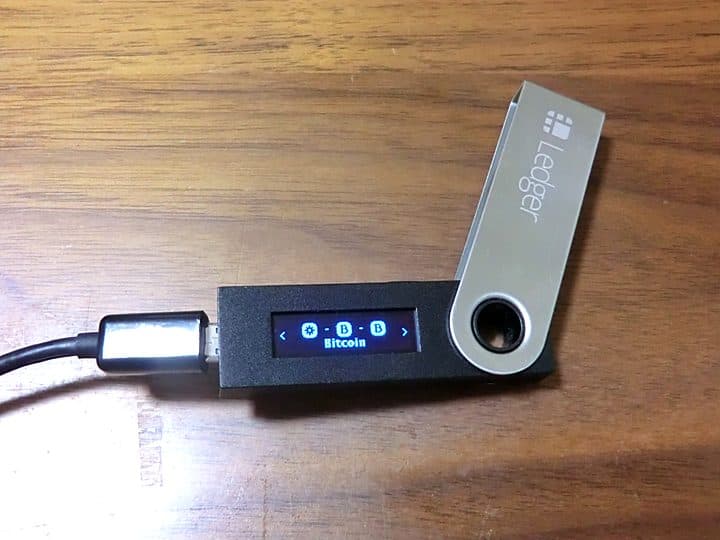
Hardware wallets protect keys inside the device. They do not protect you from typing the same 24 words into a fake Ledger Live page, a Google ad redirect, a breach email “verification,” or a malware-laced installer. Freeze-scare and “mandatory firmware / compliance check” lures are designed to create urgency so you bypass the only safe rule: the recovery phrase never leaves the metal. If you already entered it online, treat the seed as burned - isBlackListed will usually still read false while the thief drains from a restored software wallet.
Educational only. Not legal advice. Not a recovery service. FreezeRadar does not sell hardware, does not recover seeds, and does not help evade freezes. Ledger will never ask for your 24 words by email, chat, or “live recovery” web form.
Check a wallet before you act
Run a FreezeRadar scan for issuer-freeze signals, sanctions exposure, counterparty risk, and freezeable asset sensitivity before moving funds.
Direct answer
Ledger seed phrase phishing succeeds when a freeze, breach, or firmware story pushes you to enter the BIP-39 phrase on a cloned site. Zscaler ThreatLabz documented an August 2026 Google Ads campaign that routed victims through Google Cloud Storage and rotating Vercel domains into a Google Sites iframe impersonating Ledger device verification - complete with BIP-39 autocomplete and a fake “Invalid seed, re-enter” second capture. Ledger’s own phishing-campaign status page repeats the same rule: there is no good reason to type the recovery phrase into a computer or phone. Recovery after exposure is new seed + move assets, not an issuer unfreeze and not a revoke of an allowance you never signed.
Differentiate from seed phishing drain vs issuer freeze: this post owns the hardware-brand impersonation + freeze-scare lure vector, not the generic symptom matrix.
Why hardware does not stop this attack
| Myth | Reality |
|---|---|
| “Keys never leave the device, so web phishing cannot drain me” | The seed is the keys. Entering it on a phishing page lets attackers restore the wallet elsewhere without your Ledger |
| “Cold storage cannot be issuer-frozen” | Issuer blacklists address the address, not the custody form - see USDC cold wallet still freezable and hardware vs software freeze risk |
| “A freeze warning email from Ledger means I must verify online” | Official Ledger channels do not harvest seeds. Urgency + seed form = phishing |
“If isBlackListed is false, funds are safe” | Seed theft drains via normal transfers; blacklist status often stays false until/unless LE+issuer act on thief addresses |
Freeze-scare lure anatomy
- Trigger: email/SMS/ad about “Ledger data incident,” “USDT compliance freeze,” “Gen 5 mandatory update,” or “Live recovery required.”
- Traffic: paid search ads for “Ledger Live,” typosquat / IDN homograph domains, fake App Store / APK listings, or QR codes in physical letters (Ledger documents letter campaigns that end in seed entry).
- Clone: pixel-close Ledger Wallet (formerly Ledger Live) UI.
- Hook: error after connect - “Invalid seed,” “device memory corrupt,” “verify ownership” - forcing phrase entry, often twice.
- Cash-out: attacker restores seed in software, sweeps USDT/ETH/TRX; may later run fake unfreeze recovery on the same victim.
August 2026 ThreatLabz notes: ads appeared in trusted Google surfaces; redirects rotated every ~15–20 minutes; hCaptcha decorated the submission; the “Invalid seed” message did not reflect real validation - it harvested a second copy.
Desk / victim triage (first hour)
- Did anyone type the 24 words into a browser, APK, or “support” form? If yes → seed compromised. Skip “maybe it was just a scare.”
- On-chain: list victim addresses; note balances; check
isBlackListed(expect false). Pull drain tx hashes. - Do not re-enter the same phrase on any “recovery validation” site the scammer sends next.
- Device hygiene: official Ledger Wallet only from ledger.com/ledger-live; uninstall unknown APKs; rotate email passwords if the lure was a breach mail.
- Asset move: generate a new seed on clean hardware; transfer remaining funds; treat old addresses as hostile forever.
- Escalation packet: hashes, phishing URL, ad screenshot, timestamps → LE + VASP if deposits hit exchanges (stolen USDT evidence packet).
- Report the domain to Google Safe Browsing and Ledger’s published phishing intake so others get browser blocks - Ledger’s status page asks users to report.
What FreezeRadar / explorers show (and do not)
A FreezeRadar or explorer read after seed phishing typically shows: transferable balances falling, thief EOAs receiving funds, issuer blacklist false on the victim. That is not proof “nothing happened” - it is proof the loss path was key compromise, not addBlackList. Do not wait for a freeze fairy. Parallel VASP tickets only help where funds land on custodial deposit addresses.
Worked composite
Treasury operator sees a Google ad “Ledger Live official - urgent freeze compliance.” Lands on a Sites iframe, enters 24 words after a fake invalid-seed retry. Within minutes TRC-20 USDT leaves the address; Tronscan isBlackListed=false. Desk response: isolate the machine; new Ledger with new seed; move residual assets; capture ad URL + tx list; LE report; exchange tickets on deposit hops; staff briefing that freeze emails never justify seed entry. Wrong response: paying a Telegram “Ledger white-hat” to “re-secure the phrase.”
Limitations
Public phishing write-ups (Ledger status pages, Zscaler, journalists) describe campaigns that existed at observation time; domains rotate hourly. This article cannot certify any single URL live right now. FreezeRadar does not detect seed entry on your laptop. Hardware supply-chain and evil-maid attacks are out of scope - stick to the freeze-scare web/ad vector here.
Key takeaway
A freeze scare plus a seed form is phishing, full stop. Hardware does not save a phrase you typed into the internet. Move to a new seed, document the drain, escalate lawfully, and never treat issuer blacklist checks as a substitute for key hygiene.
Next: seed vs freeze tell-apart, hardware vs software freeze risk, evidence packet, fake recovery warning.
References
- Ledger - Ongoing phishing campaigns status - https://www.ledger.com/phishing-campaigns-status
- Ledger - Download Ledger Wallet (official only) - https://www.ledger.com/ledger-live
- Zscaler ThreatLabz - Attackers target Ledger users via Google Ads (Aug 2026) - https://www.zscaler.com/blogs/security-research/threat-actors-use-google-ads-target-ledger-users
- Google Safe Browsing - https://safebrowsing.google.com/
- FBI IC3 - https://www.ic3.gov/
Official vs lookalike: a verification checklist
Before any “Ledger” download or “verification”:
- Type
ledger.commanually or use a bookmark - do not trust ad headlines. - Download Ledger Wallet only from the official download page linked above.
- Prefer verifying receive addresses on the device screen; never type the recovery phrase into the desktop/mobile UI for “cloud backup” offers from strangers.
- Treat QR codes in unexpected letters, PDFs, or SMS as hostile until proven otherwise via a channel you initiated.
- If Google Safe Browsing or corporate proxy already blocks a URL, do not hunt for a mirror “to finish verification.”
Ledger’s phishing status page documents fake apps that surface error messages specifically to solicit the 24 words. The error is the product; the seed field is the payload.
Freeze-scare emails: linguistic tells
Operators should train staff on recurring phrases: “assets temporarily restricted pending seed confirmation,” “OFAC mirror check requires Live recovery,” “device memory CRC failure - re-enter phrase,” “claim Gen 5 protection.” None of those are how issuer blacklists or real Ledger support work. Issuer freezes are address-level contract calls; they are checked with isBlackListed / Circle equivalents, not with BIP-39 forms. If a customer forwards such an email, walk them through the seed vs freeze differential live on an explorer before they click anything.
After a drain: what to put in the LE packet
Reuse the stolen USDT evidence packet structure, with phishing-specific exhibits:
- Full phishing URL, redirect chain if captured, ad creative screenshot
- Approximate time the phrase was entered
- Device OS / browser; whether an APK sideload occurred
- First unauthorized outbound TxIDs and destinations
- Confirmation that a new seed was generated (do not include the new phrase)
VASP tickets matter when thief addresses deposit to exchanges. Issuer tickets matter when freezeable balances remain on thief EOAs under lawful process - not as a way to “undo” a seed you typed.
Desk policy suggestions
- Ban seed entry in any remote-support session (screen share included).
- Require dual control for large cold-storage moves after any security scare.
- Keep a printed “Ledger will never ask for 24 words” card at ops desks.
- Separately track hardware firmware updates via official release notes - not ads.
These are operational hygiene choices. They are not legal requirements and they do not create insurance coverage.
Related FreezeRadar reading order
- Confirm it is seed theft, not issuer freeze - tell-apart guide.
- Drop custody myths - hardware vs software, cold USDC still freezable.
- Build the LE/VASP packet - evidence packet.
- Refuse act-two recovery scams - fake unfreeze warning.
Sources (5)
Ledger — Ongoing phishing campaigns
Ledger
Official phishing status; never enter 24 words online.
Ledger — Download Ledger Wallet
Ledger
Only official download location.
Zscaler ThreatLabz — Google Ads targeting Ledger (Aug 2026)
Zscaler
Primary campaign analysis: GCS/Vercel/Sites iframe seed harvest.
Google Safe Browsing
Report phishing URLs.
FBI IC3
FBI IC3
Victim reporting.
Related reading
Continue exploring FreezeRadar knowledge content.


On this page
Get posts like this by email
A daily or weekly digest of FreezeRadar freeze activity.
By FreezeRadar Team
Wallet risk intelligence and stablecoin compliance analysis from FreezeRadar.