OFAC’s BitBank Designation Shows E.O. 13902 Hitting Iranian Exchange Infrastructure
Sept. 17, 2026: OFAC designates BitBank, Pishtaz Simorgh, and three Zanjani associates under E.O. 13902 / Operation Economic Outcast—Hormuz Safe payments and IRGC-bound Bitcoin alleged. What wallets and OTC desks should screen.

On September 17, 2026, OFAC designated BitBank, an Iranian digital-asset exchange that Treasury describes as controlled by already-designated financier Babak Zanjani, together with BitBank’s developer Pishtaz Simorgh Electronic Trade Company and three Zanjani associates. The action sits under E.O. 13902’s Iran digital-asset sector authority and inside Operation Economic Outcast.
For wallet, OTC, and exchange desks, this is not a one-off SDN headline. It is a live example of how the August 24 sector determination turns Iranian crypto market infrastructure into a secondary-sanctions screening problem—especially when the same network allegedly moves Bitcoin tied to Hormuz Safe maritime payments toward the IRGC.

Check a wallet before you act
Run a FreezeRadar scan for issuer-freeze signals, sanctions exposure, counterparty risk, and freezeable asset sensitivity before moving funds.
What Treasury said BitBank did
According to the Treasury press release (sb0632) and the matching OFAC recent actions for September 17, 2026:
- BitBank is designated pursuant to E.O. 13902 for operating in Iran’s digital-asset sector.
- Pishtaz Simorgh Electronic Trade Company (also styled Pishtaz Simorgh / Tejarat Electronic Pishtaz Simorgh), a subsidiary of already-designated Dot One Value Creation Group, is designated as BitBank’s software developer under the same sector authority.
- Three associates—Hossein Ali Zaker Hossein, Mohammad Mahdi Zaker Hossein, and Seyed Adel Heidari—are designated for acting for or on behalf of Zanjani, Pishtaz Simorgh, or Dot One.
- Treasury alleges that since June 2026, Hormuz Safe Marine Services Authority (already OFAC-designated) used BitBank to move payments it received, and that Zanjani used BitBank to facilitate hundreds of millions of dollars’ worth of Bitcoin transfers to the IRGC between June and July 2026.
Designation is not a criminal conviction of every counterparty that ever touched BitBank. It is a blocking event that changes how U.S. persons and many non-U.S. intermediaries must treat property and services involving the named persons.
Why this is different from a single wallet SDN hit
FreezeRadar already covered why SDN digital-currency addresses are necessary but not sufficient and what E.O. 13902’s Iran digital-asset sector determination means for secondary exposure. BitBank is the operational sequel:
- Sector authority in use — E.O. 13902 is not theoretical; OFAC is naming exchanges and developers inside Iran’s digital-asset market.
- Infrastructure, not only addresses — Pishtaz Simorgh is designated as the builder of BitBank’s software stack, which expands screening beyond deposit wallets to vendor, white-label, and affiliate graphs.
- Maritime payment context — Treasury ties BitBank to Hormuz Safe payment flows. Context fields (trade corridor, vessel/payment narrative, IRGC-adjacent counterparties) matter as much as raw address lists.
- Name collision risk — Iran’s BitBank is not Japan’s licensed bitbank, inc. Desk SOPs should hard-code the OFAC entity identifiers and Iranian registration details from the SDN listing, not fuzzy name matches alone.

What to check on your desks this week
- Refresh SDN / consolidated lists for BitBank, Pishtaz Simorgh, the three named individuals, and any 50% rule entities hanging off Dot One / Zanjani clusters.
- Re-screen TRON, Bitcoin, and exchange-internal tags for historical BitBank deposit, withdrawal, or affiliate hops—especially June–July 2026 windows cited by Treasury.
- Escalate any Hormuz Safe / Strait-of-Hormuz maritime-payment narratives that intersect Iranian digital-asset venues.
- Update counterparty questionnaires for Iranian or Iran-facing VASP relationships to ask about white-label software from Pishtaz Simorgh / Dot One ecosystem firms.
- Cross-read FAQ guidance Treasury points to on Iranian digital-asset exchange risk (FAQ 1250 / 1257 in the press release) before treating “not on our wallet watchlist” as clearance.
- Keep the Iran sector playbook separate from pure issuer-freeze playbooks (Tether burn/reissue vs Circle blacklist-only fights are different tools—see FreezeRadar’s parallel coverage of the SDNY $61.2M USDT forfeiture path).
Operational takeaway
September 17’s BitBank package shows Operation Economic Outcast using E.O. 13902 against exchange-layer infrastructure that allegedly moved IRGC-bound Bitcoin and Hormuz-linked payments. Screen the named entities, their software/vendor graph, and maritime-payment context—not only yesterday’s address list. This article is educational, not legal advice.
Run a structured counterparty pass in FreezeRadar Scan if you need a starting point for follow-up investigation.
Sources (4)
Operation Economic Outcast Disrupts Digital Asset Exchange Enabling the Iranian Regime
U.S. Department of the Treasury
Primary Sept. 17, 2026 press release designating BitBank, Pishtaz Simorgh, and three Zanjani associates under E.O. 13902.
Iran-related Designations — September 17, 2026
U.S. Department of the Treasury, OFAC
OFAC recent-actions listing for the BitBank / Pishtaz Simorgh package and related identifiers.
Iran’s Digital-Asset Sector Is Now Covered by E.O. 13902 — Secondary Sanctions Risk for Wallets, OTC, and Exchanges
FreezeRadar
Prior FreezeRadar explainer on the Aug. 24, 2026 sector determination that BitBank now operationalizes.
SDNY’s $61.2M USDT Iran-Oil Forfeiture Shows the Freeze → Warrant → Burn/Reissue Path
FreezeRadar
Related but distinct: civil forfeiture / issuer burn-reissue path vs OFAC exchange designation.
Related reading
Continue exploring FreezeRadar knowledge content.
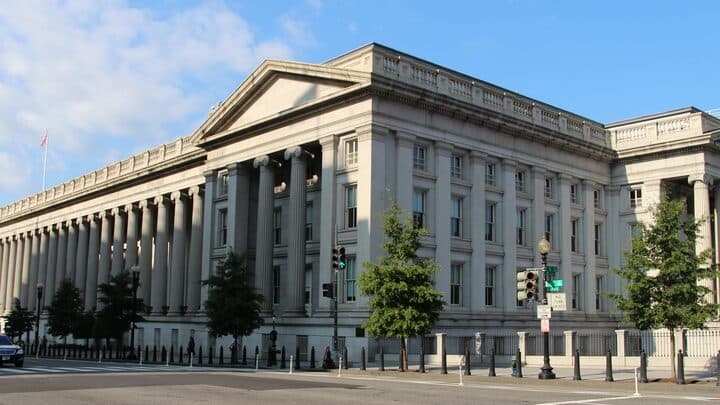
Blog · 7 min read
Iran’s Digital-Asset Sector Is Now Covered by E.O. 13902 — Secondary Sanctions Risk for Wallets, OTC, and Exchanges
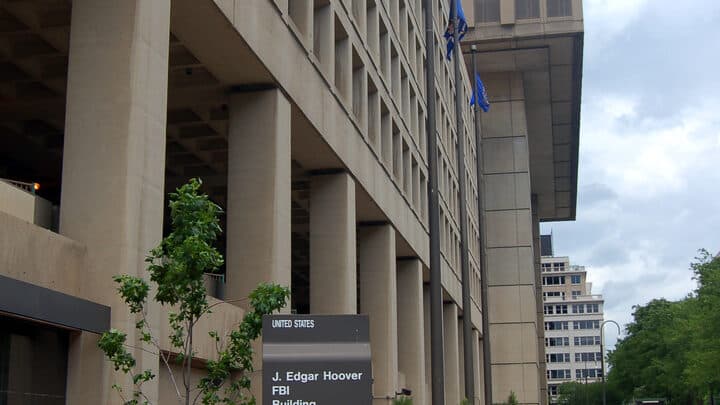
Blog · 3 min read
SDNY’s $61.2M USDT Iran-Oil Forfeiture Shows the Freeze → Warrant → Burn/Reissue Path
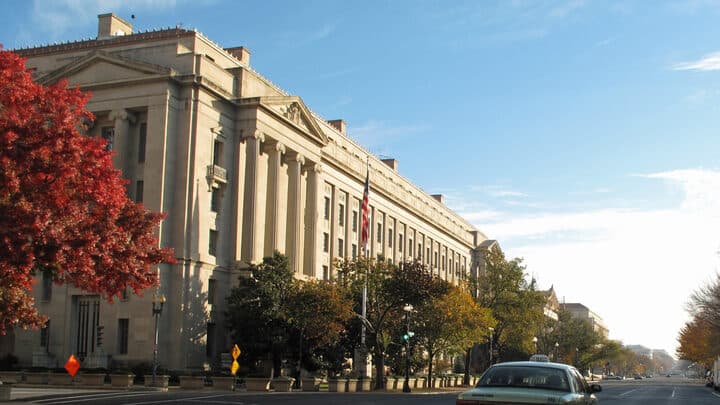
Blog · 6 min read
Xinbi Guarantee’s OFAC TCO Designation Puts Tron USDT Wallet Screening Under Pressure
On this page
Get posts like this by email
A daily or weekly digest of FreezeRadar freeze activity.
By FreezeRadar Team
Wallet risk intelligence and stablecoin compliance analysis from FreezeRadar.