FreezeRadar editorial
Blog
Research-backed articles on sanctions adjacency, stablecoin controls, wallet operations, issuer freeze sensitivity, and risk intelligence.
Page 6 of 15

Shelbit and Aban Tether Show How Sanctions Risk Moves Through Exchange Plumbing
Treasury’s August 7 sanctions against Shelbit and Aban Tether show why wallet-risk teams need to monitor exchange infrastructure, gambling flows, Nobitex exposure, and stablecoin rails before assets become blocked property.

Tainted USDT Multi-Hop Without Overclaim
Tainted USDT is provenance language, not a token flag. Desk sentences that keep hop distance, source, confidence, and coverage honest.

OTC USDT Pre-Settle Screening Checklist
Before you lock an OTC USDT price, read the sender blacklist, screen sanctions and labels, save a scan, then settle. Academy still owns the general OTC process.

A7A5 Shows How Sanctions Can Break a Stablecoin Without Freezing Every Wallet
Fresh A7A5 coverage shows the practical effect of coordinated sanctions: not every token needs to be frozen if exchanges, issuers, and counterparties learn to reject the exposure.

USDT vs USDC Freeze Risk for Wallet Desks
Two issuers, two contract dialects, two tickets. Desk routing for freezeable USDT and USDC without replacing the academy comparison landing.
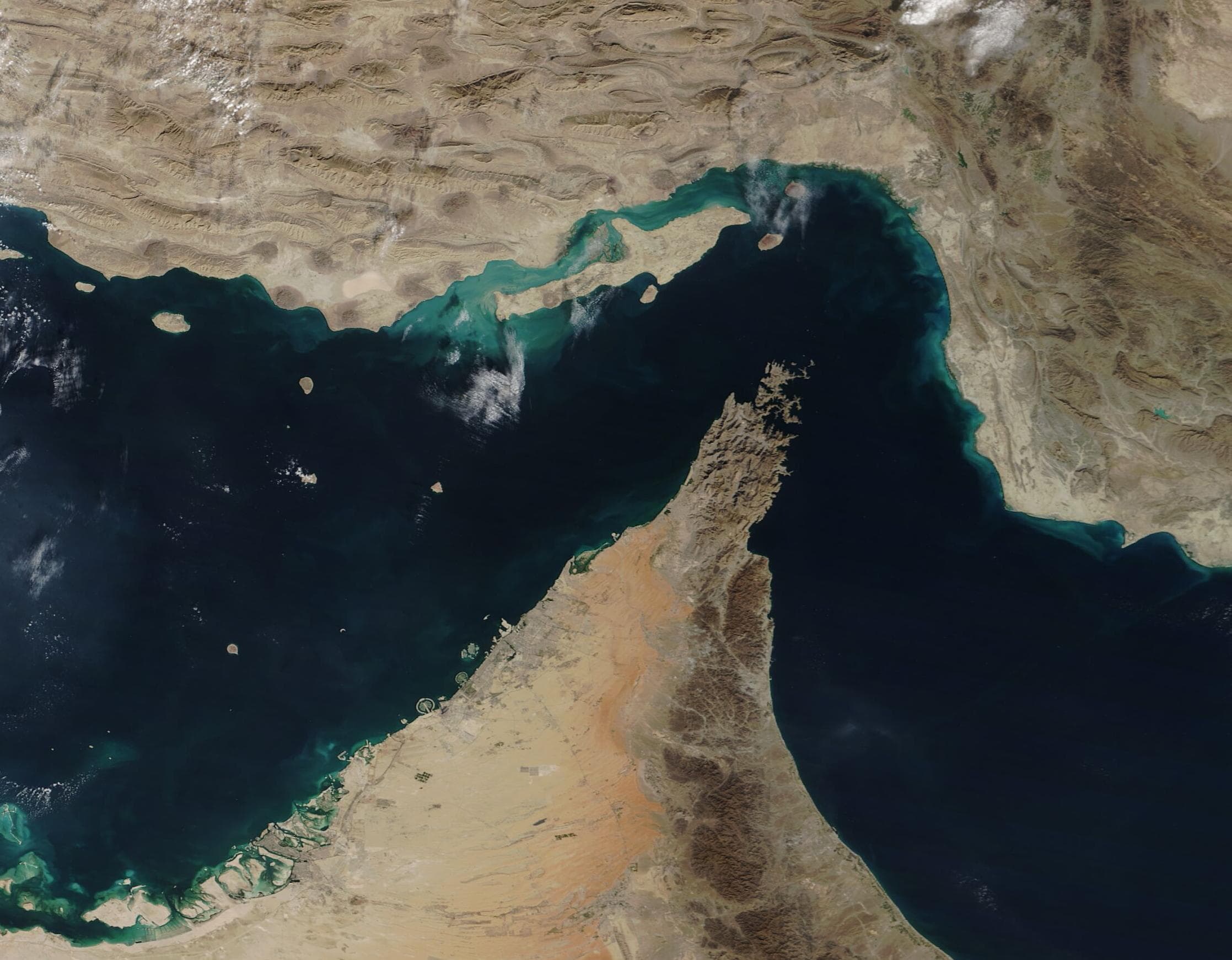
Iran's Hormuz Crypto Insurance Sanctions Show Why Payment Context Matters
OFAC's July 29 action against HormuzSafe turns a crypto-payable maritime insurance scheme into a practical warning for treasury, sanctions, and wallet-risk teams.