How a USDT Ban Wave Looks: Desk Playbook
When USDT blacklist events spike, split issuer flag from venue hold from rumor, re-read the official contract, and refuse hop-overclaim. Dated counts stay on /events.
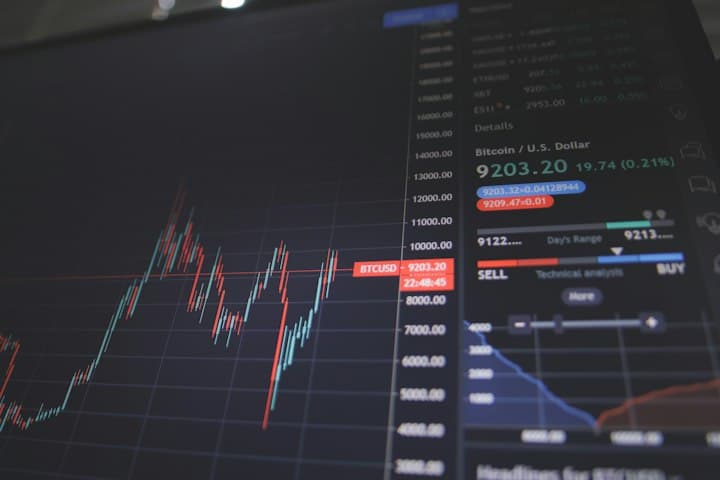
A USDT “ban wave” is not a new contract function. It is a cluster: many privileged addBlackList (and sometimes destroyBlackFunds) calls in a short window, usually loud first on Tron because that is where a lot of OTC and P2P USDT actually sits. Chat fills with screenshots. Traders start treating every two-hop neighbor as dead. Support merges issuer freezes with exchange holds. This page is the desk playbook for those days. Dated cluster reports stay with FreezeRadar’s event/ban-wave posts and /events. The August 2026 Tron note — USDT ban wave Tron August 2026 — is an example, not this SOP.
Educational only. Not legal advice. Not a prediction of the next wave. Not a guide to evade issuer, venue, or lawful-order controls.
Check a wallet before you act
Run a FreezeRadar scan for issuer-freeze signals, sanctions exposure, counterparty risk, and freezeable asset sensitivity before moving funds.
Direct answer
When executed USDT blacklist events spike, freeze new intake that has not been screened, split tickets into issuer flag / venue hold / rumor, re-read getBlackListStatus / isBlackListed on the exact address and chain, and refuse hop-overclaim. Staff a single IR lead. Do not tell customers that two hops equal a freeze. Do not open Tether tickets for exchange book holds. Do not invent FreezeRadar pending-multisig alerts we do not ship. After the spike, keep the artifact pack; waves can be followed by destroys or by nothing.
Who owns which query
| Question | Owner page |
|---|---|
| A specific day’s cluster, counts, examples | /events, /today, dated blogs such as Aug 2026 Tron ban wave |
| Can Tether freeze at all | Can Tether freeze USDT? |
| Freeze vs destroy | Blacklist vs destroyBlackFunds |
| Hop language during a panic | Tainted USDT without overclaim |
| Staffing, queues, what to say this week | This post |
Do not create a competing thin /guides landing for “USDT ban wave.” Method-defined event posts own the news. This blog owns the runbook.
What a wave looks like from a desk, not from Twitter
On-chain (executed). Lots of AddedBlackList / addBlackList in a few hours on one rail, often Tron first (TRC20 vs ERC20 freeze mechanics). Destroys may lag or never arrive for most addresses. Indexing can trail the chain; a “not in our UI yet” is not “not frozen.”
In the queue. Failed sends, “Tether banned me,” CEX withdrawals paused, P2P counterparties disappearing, OTC desks halting quotes. Many of those are not issuer flags.
In chat. Lists of addresses with no explorer links, claims that “everything two hops out is dead,” and paid “unfreeze” pitches. How USDT unfreeze works still applies: removeBlackList is owner-gated. Nobody outside that path can clear the flag for a fee.
Tether’s Token Terms did not change because volume spiked. Discretion to freeze or blacklist on suspected Prohibited Use was already there. A wave is tempo, not a new legal theory. Do not newsjack unrelated enforcement headlines onto every Tron cluster.
Hour 0–2: freeze the process, not the customers
- Name an IR lead. One person prioritizes. Juniors collect packs. Traders are not spokespeople. Same split as received frozen USDT desk IR.
- Pause unscreened freezeable intake. OTC and P2P receive addresses are the leak. Point traders at OTC pre-settle and pre-P2P. Existing quotes without a saved scan are Review, not Proceed.
- Stand up three ticket buckets in the helpdesk, not in Slack:
- Issuer: live
isBlackListed/getBlackListStatustrue (read it yourself) - Venue: flag false, exchange or P2P platform will not credit or will not withdraw (exchange hold vs issuer)
- Rumor / hop panic: flag false, someone forwarded a neighbor address
- Issuer: live
- Pin the coverage sentence. FreezeRadar scores a bounded window with source-backed findings (methodology). Unknown is not clean. Two hops is not a direct hit.
- Do not promise pre-freeze warning. Owner multisigs can show a submit→execute gap (2-of-3 freeze authority). FreezeRadar indexes executed events. Saying we warned on a pending Tron submission is a product lie.
Ticket triage that survives a 200-ticket day
For every wallet:
- Chain and official contract (registry, not a ticker).
- Restriction flag at a block / timestamp, with explorer URL.
- FreezeRadar scan URL, score category, whether
DIRECT_ISSUER_BLACKLIST_MATCHfired. - Whether the user cannot move on-chain or cannot move off an exchange.
- Latest inbound hash if they “just received frozen USDT.”
Hard stops stay hard: official blacklist true → stop settlement, open issuer-path IR, do not accept more from that from. Direct sanctions match stays its own pass, not a synonym for Tether.
Review bucket: one-hop mixer (academy mixer detection), strong sourced high-risk labels, last-minute sender changes.
Proceed is rare on wave day and still needs a scan artifact.
Language you can put in a customer update (and language you cannot)
Can: “We are seeing a higher-than-usual number of executed USDT blacklist events on [chain]. We verify each address on the official contract. An exchange hold is a different process. We cannot unfreeze USDT. We will not treat a forwarded neighbor list as your freeze.”
Can: “Your address is not blacklisted on the official USDT contract at this block. If your exchange paused withdrawals, that is the venue. Here is how we split those tickets.”
Cannot: “Everyone two hops from a frozen wallet will be next.” That overclaim is exactly what the tainted-USDT post forbids.
Cannot: “Switch to USDC and you are safe.” Different issuer, different terms (USDT vs USDC). Rail change is not diligence.
Cannot: “Use this mixer / this hop path to stay off the list.” Stop. That is evasion.
Cannot: “We will have you unfrozen by Friday.” Unfreeze rates in secondary blogs are not a service-level agreement.
Staffing and metrics
Borrow the IR article’s rota and make it numeric:
- Time to first restriction-flag read (target: minutes).
- Percent of new freezeable receives with a saved scan URL during the wave.
- Share of tickets recoded from “Tether froze me” to venue hold.
- Count of hop-panic tickets closed with a live false flag plus methodology link.
- Whether destroy events appeared for your addresses (separate alert; do not assume).
If quotes still go out before blacklist reads, you do not have a playbook. You have a channel.
Watchlist users with entitlements still get category/score alerts on their wallets. A global chat rumor is not an alert. Retroactive counterparty watches (Pro and above, share >5%, 90-day activity) can fire on real freeze events — one aggregated alert per user per UTC day. That is not a license to spam every OTC name in the book.
Public FreezeRadar surfaces that help the same hour: /today for the current freeze tape, /events for the archive, and /stats for volume context. Use them as indexes, then confirm the specific address on the contract. A site-wide spike does not blacklist a wallet that still reads false.
After the spike
Waves end. Destroys may follow a subset of addresses days later. Some addresses stay frozen. Some get removeBlackList. Secondary “unban wave” blogs are not your indexer.
- Keep deal packs for your retention period.
- Re-read flags before you resume paused counterparties. A false at 09:00 is stale at 09:12 on a wave day.
- Do not sweep Recv → CEX because “it’s over.” Run before CEX deposit.
- Write a short internal after-action: peak ticket hour, percent venue vs issuer, any SOP hole (usually last-minute Tron
from). - If FreezeRadar publishes a dated ban-wave report, link it from the ticket macro. Do not duplicate the counts in this evergreen URL.
Honest limits
Public cluster statistics depend on indexers and on what you count (unique addresses vs calls, freeze vs destroy, Tron vs Ethereum). FreezeRadar’s explorer hides seed and zero-balance rows from the public archive; scan intelligence still uses real freeze events including zero-balance blacklist history. Chat lists mix all of that. Prefer contract events and your saved scans.
This playbook does not forecast Tether’s next week, does not map OFAC designations onto every Tron spike, and does not help anyone route around a flag. If counsel wants a sanctions-specific process, that is a different memo than a freeze-cluster queue.
Related FreezeRadar surfaces
- USDT ban wave Tron August 2026 · /events · /today
- Received frozen USDT desk IR
- Tainted USDT without overclaim
- Tether 2-of-3 freeze-authority key risk
- Scan · Methodology
Key takeaway
A USDT ban wave is a cluster of executed blacklist calls plus a messy human queue. Split issuer / venue / rumor, re-read the official flag, keep hop language conservative, and staff one IR lead. Dated event posts own the counts. This page owns the day-of runbook. If you skip screening because the chat is loud, you will spend the following week on IR you could have refused at quote time.
Sources (5)
Tether Token Terms of Sale and Service
Tether
Freeze/blacklist discretion already exists; a wave is tempo, not a new legal theory.
USDT ban wave Tron August 2026
FreezeRadar
Dated cluster example; this playbook does not replace event posts.
FreezeRadar events archive
FreezeRadar
Index for executed freeze events during a spike.
Received frozen USDT desk IR
FreezeRadar
Single-ticket IR; this page is the cluster staffing layer.
Tainted USDT multi-hop without overclaim
FreezeRadar
Hop language that must not change during a wave.
Related reading
Continue exploring FreezeRadar knowledge content.



On this page
Get posts like this by email
A daily or weekly digest of FreezeRadar freeze activity.
By FreezeRadar Team
Wallet risk intelligence and stablecoin compliance analysis from FreezeRadar.