FreezeRadar editorial
Blog
Research-backed articles on sanctions adjacency, stablecoin controls, wallet operations, issuer freeze sensitivity, and risk intelligence.
Page 10 of 19

A7A5 Shows How Sanctions Can Break a Stablecoin Without Freezing Every Wallet
Fresh A7A5 coverage shows the practical effect of coordinated sanctions: not every token needs to be frozen if exchanges, issuers, and counterparties learn to reject the exposure.

USDT vs USDC Freeze Risk for Wallet Desks
Two issuers, two contract dialects, two tickets. Desk routing for freezeable USDT and USDC without replacing the academy comparison landing.
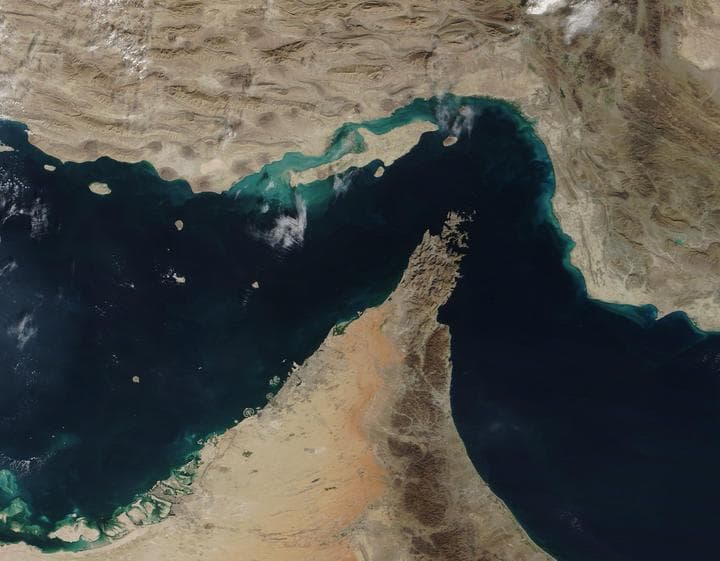
Iran's Hormuz Crypto Insurance Sanctions Show Why Payment Context Matters
OFAC's July 29 action against HormuzSafe turns a crypto-payable maritime insurance scheme into a practical warning for treasury, sanctions, and wallet-risk teams.

New York’s Crypto Testimony Turns Stablecoin Freezes Into an Operating Requirement
New York’s attorney general asked Congress to require crypto platforms and stablecoin issuers to freeze wallets on law-enforcement request. For treasury and compliance teams, that turns issuer control into a live monitoring problem.

OFAC’s New Zanjani Sanctions Show Wallet Risk Is Moving Into Infrastructure
Treasury’s July 24 action against Babak Zanjani’s network links digital asset exchanges, wallet services, gold-backed tokens, and settlement rails into one sanctions-risk map.

The BIS Stablecoin Dollarisation Paper Is a Wallet-Risk Warning Beyond a Macro Note
A new BIS paper says stablecoin dollar flows appear less constrained by capital controls than bank deposits. For treasury, compliance, and wallet-risk teams, that turns dollar stablecoins into an exposure-monitoring problem.