FreezeRadar editorial
Blog
Research-backed articles on sanctions adjacency, stablecoin controls, wallet operations, issuer freeze sensitivity, and risk intelligence.
Page 11 of 19
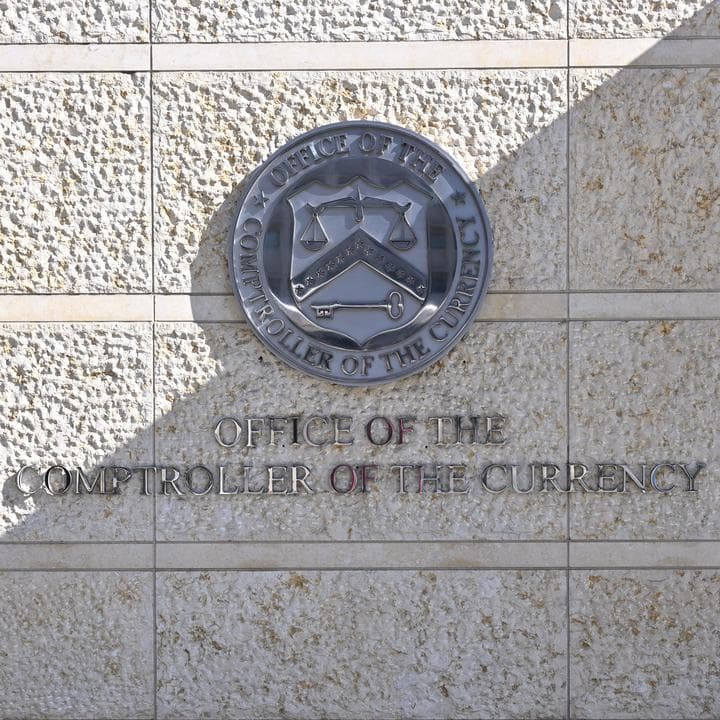
Circle's OCC Trust Bank Approval Moves USDC Risk Into a More Formal Control Plane
Circle won final OCC approval for Circle National Trust on July 10, 2026. The important question for wallet-risk teams is how federal trust-bank supervision changes USDC custody, reserve, and monitoring assumptions.

Tether’s Mercado Bitcoin Bet Puts Stablecoins Deeper Into Regulated Finance
Tether’s $20 million Mercado Bitcoin investment is more than a LatAm growth story. It pushes USDT, tokenization, payments, and compliance risk closer to regulated financial workflows.

Revolut’s USDT Delisting Turns MiCA Compliance Into a Wallet-Risk Event
Revolut’s staged removal of USDT shows how stablecoin compliance now changes access, settlement timing, and treasury choices before any on-chain freeze occurs.
OFAC Named 134 ISIS-K Crypto Wallets. Tether Froze the TRON Side, but the Risk Did Not End There
OFAC's July 1 ISIS-K update turned 134 crypto addresses into direct sanctions identifiers. The operational lesson is the split between freezeable USDT on TRON and harder-to-control rails.
BNY Put USDC Mint and Burn Inside Bank Custody. That Moves Stablecoin Risk Closer to Treasury Operations
BNY and Circle’s June 29 USDC custody expansion is more than institutional distribution. It changes how treasury, compliance, and wallet-risk teams should monitor stablecoin control points.
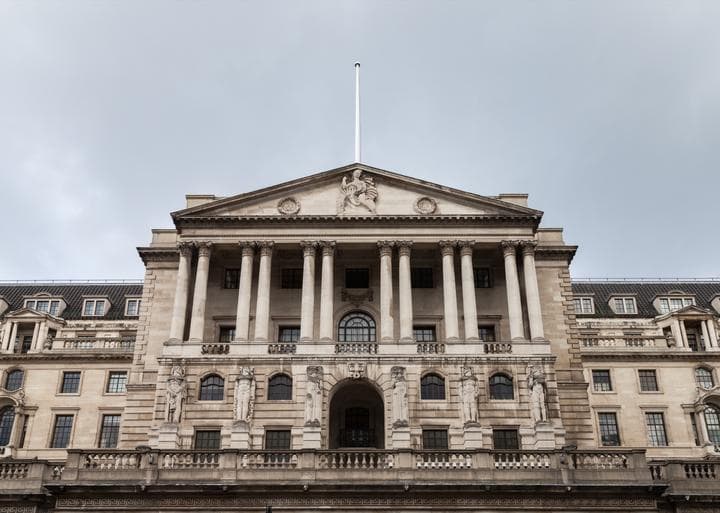
The Bank of England Dropped Wallet Caps. Its £40B Stablecoin Guardrail Moves the Risk to Issuers
The Bank of England replaced proposed wallet holding caps with a £40 billion issuer guardrail. Here is what the shift means for liquidity, treasury concentration, redemption planning and wallet monitoring.