FreezeRadar editorial
Blog
Research-backed articles on sanctions adjacency, stablecoin controls, wallet operations, issuer freeze sensitivity, and risk intelligence.
Page 14 of 19
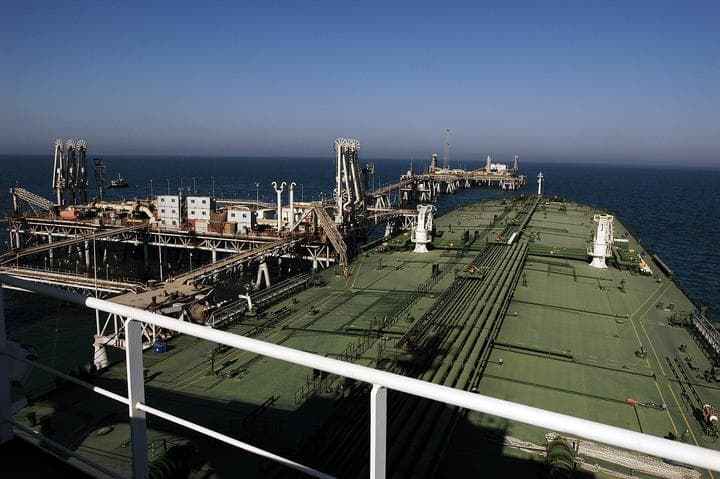
OFAC's Iraq Oil Sanctions Show Why Wallet Risk Teams Need Commodity-Sanctions Context
Treasury's May 7 action against Iraqi oil-sector actors is a reminder that sanctions exposure does not stay neatly inside banks, vessels, or wallets. Stablecoin and wallet-monitoring teams need to track the real-world networks behind on-chain flows.

Seven $2M USDT Wallets Were Frozen on TRON. Are They Linked to Iran's Strait of Hormuz Toll System?
Seven TRON wallets holding exactly $2 million USDT each were blacklisted by Tether on May 4, 2026. The pattern overlaps with fresh OFAC warnings on Iran-linked Strait of Hormuz toll payments, but the public evidence still stops short of proving attribution.

Tether’s $141 Billion Treasury Stack: What the New USDT Reserve Numbers Mean for Wallet and Treasury Risk
Tether’s May 1, 2026 attestation was more than a profit update. It was a live signal about reserve concentration, interest-rate dependence, audit scrutiny, and the operational assumptions teams make when they hold or accept USDT.
Tether, OFAC, and the $344 Million USDT Freeze: What Wallet Monitoring Teams Should Learn Now
Tether's April 23 freeze of more than $344 million in USDT, followed by OFAC's April 24 sanctions update, is a live example of how issuer-controlled stablecoins, sanctions enforcement, and wallet monitoring now intersect.
Justin Sun’s WLFI Lawsuit Shows Why Freeze Risk Extends Beyond Stablecoins
Justin Sun’s April 22, 2026 lawsuit against World Liberty Financial matters beyond the headlines: it shows how freeze risk, governance exclusion, and burn threats can affect non-stablecoin assets too.
Treasury Wants Stablecoin Issuers to Operate More Like Financial Institutions. Wallet Teams Should Pay Attention.
Treasury’s April 8, 2026 stablecoin proposal is a warning for wallet operations teams: direct screening alone is not enough when issuer-controlled assets meet tighter AML and sanctions expectations.